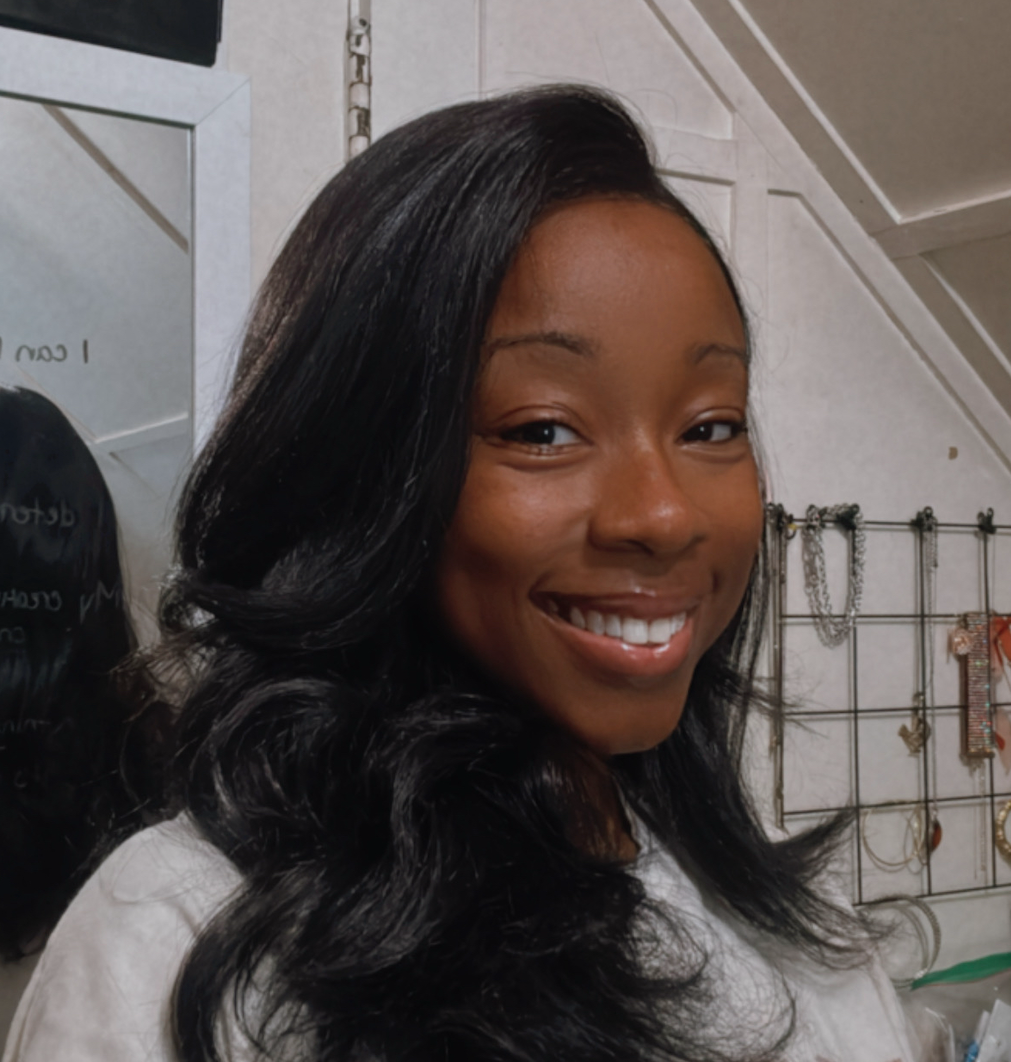
Rhyuhn on Creating Worlds, Breaking Boxes & Finding His Own Language
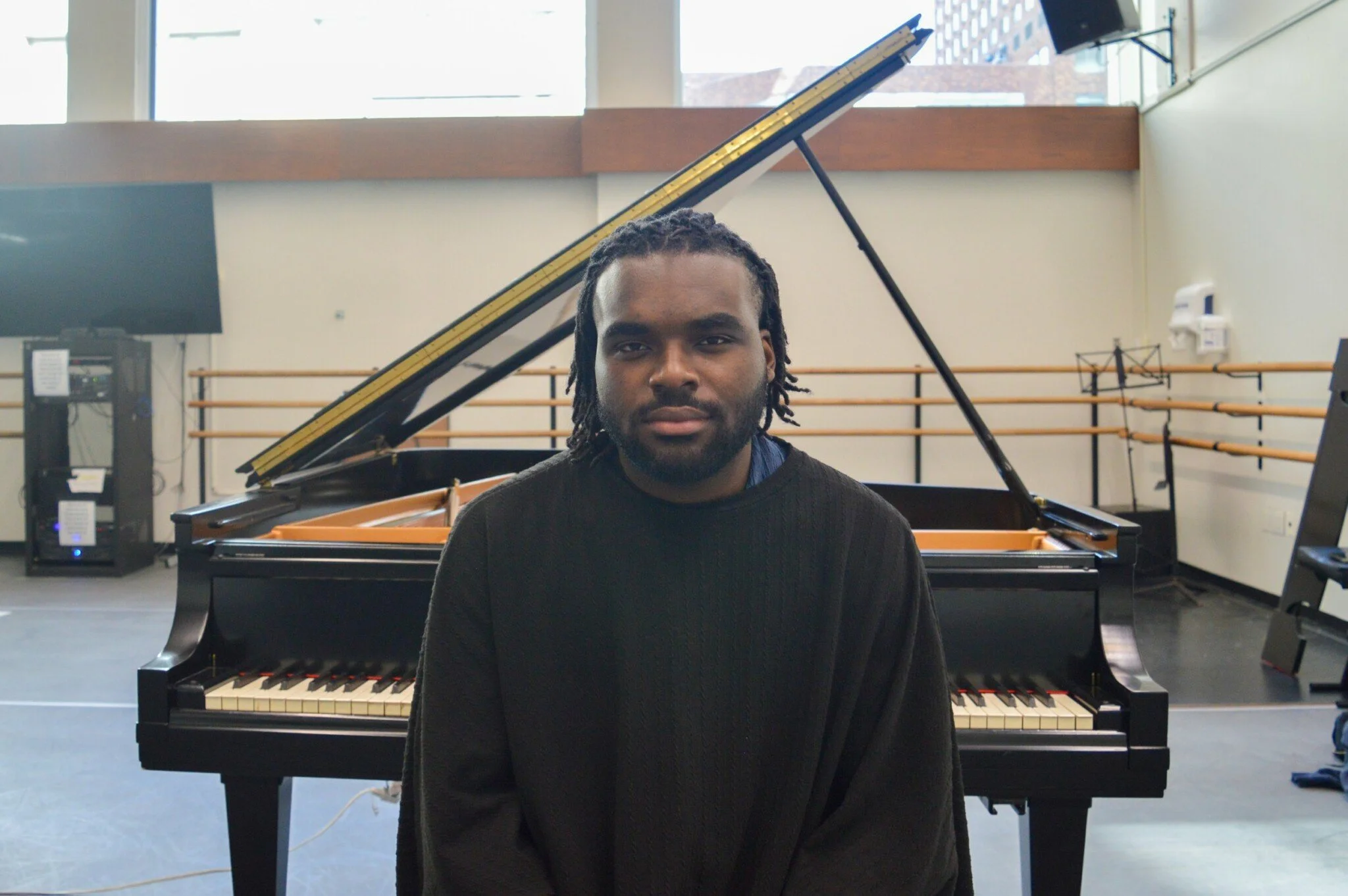
Rhyuhn by Don Elul
When I first heard of Rhyuhn Green, one thing was immediately clear: he is a young man of many accomplishments. His résumé is filled with stages, institutions, collaborations, and accolades that many artists spend decades working toward. But I wanted to know the human behind the accolades. What does success look like from the inside? What does it mean to grow up while already being visible? And who is Rhyuhn becoming as he continues to build? This InnerView explores the person behind the pianist, composer, producer, rapper, and the many other titles attached to his name—and the ideas about identity, creativity, purpose, and growth that exist underneath them.
Where He Started
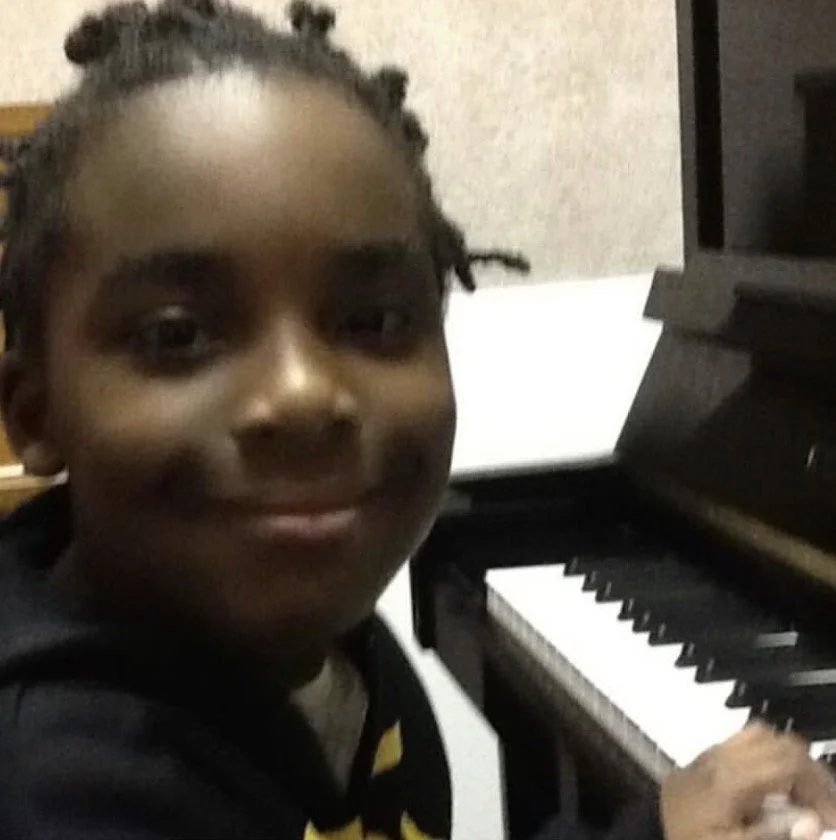
Young Rhyuhn via Instagram
Rhyuhn began making music at an extraordinarily young age, but when I asked about his earliest memory of feeling music rather than simply playing it, his answer challenged the premise of the question. “Funny enough, I don’t really have an exact memory of it. Music has just always been a part of me. There isn’t really a ‘before music’ for me, and it’s not really a feeling either. Playing piano is just one of the ways I speak without having to open my mouth. When I do spoken word and rap, I use my words to express how I’m feeling.”
That line made me want to know what, exactly, Rhyuhn is saying through the piano. If music is one of the ways he speaks without opening his mouth, what feelings find their way out most naturally? His relationship with music has also evolved alongside his identity. “I think as my identity evolved, so did the things I had to say through the music. Ironically, the shift had nothing to do with music. When my visual identity changed, and I started to be more forward with the clothing and culture I see myself in instead of trying to fit into one world, people started to see the vision behind my music.”
Before the titles, though—before pianist, composer, producer, or any other label—I wanted to know who he was simply as a kid. “Just a kid haha. Maybe that’s the most honest answer.” And maybe that is the most honest answer; beneath the accomplishments is still a young person figuring himself out.
What His Music Carries
There is a throughline between Rhyuhn's approach to music and the heart of Melanin itself— storytelling. When asked what remains consistent emotionally across the many genres he works within, his answer was simple: “Storytelling. That’s the medium. That’s the goal. Cinema. People should feel changed like they’ve just stepped into a vast new world.” World-building isn't talked about enough. I believe we're all meant to create the worlds we want to live in—internally and externally—and then invite anyone curious enough to step inside. For Rhyuhn, that world-building extends beyond telling his own stories.
“I’m always trying to tell the stories of those who can’t tell their own story or my own stories. Words can’t show you how it feels to be alienated, watched but never seen, or hurt. Music can.”
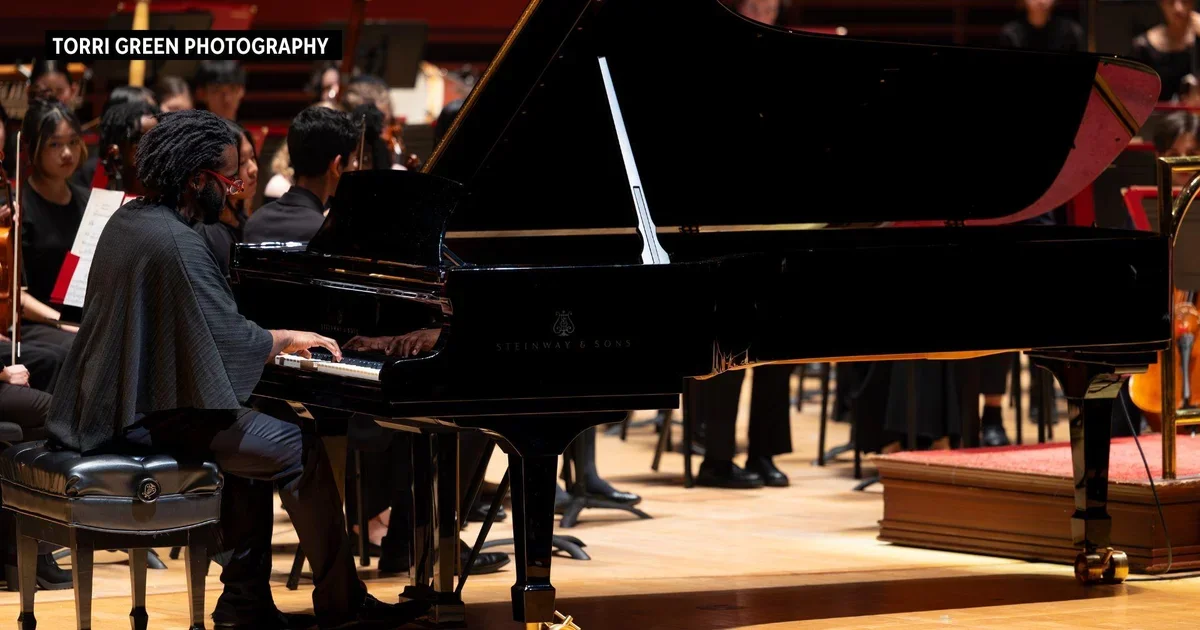
Rhyuhn Photographed by Torri Green
“Watched but never seen” stayed with me. There is something powerful about having a medium through which to express an inner world. I think we should all be walking billboards for what we truly think and believe, and art gives people a way to make those inner worlds visible. Rhyuhn's most meaningful musical experiences, however, aren't necessarily the ones that come with the biggest stages. “The most meaningful moments have been found playing or improvising with other people. Just talking - having genuine conversation through the instruments or via words over the music. Always makes me feel whole.” Some of our best moments aren't acknowledged or caught on camera. There's something beautiful about his description of having a “conversation through the instruments”—speaking without words, and still being understood.
What It Means to Grow Up Inside Success
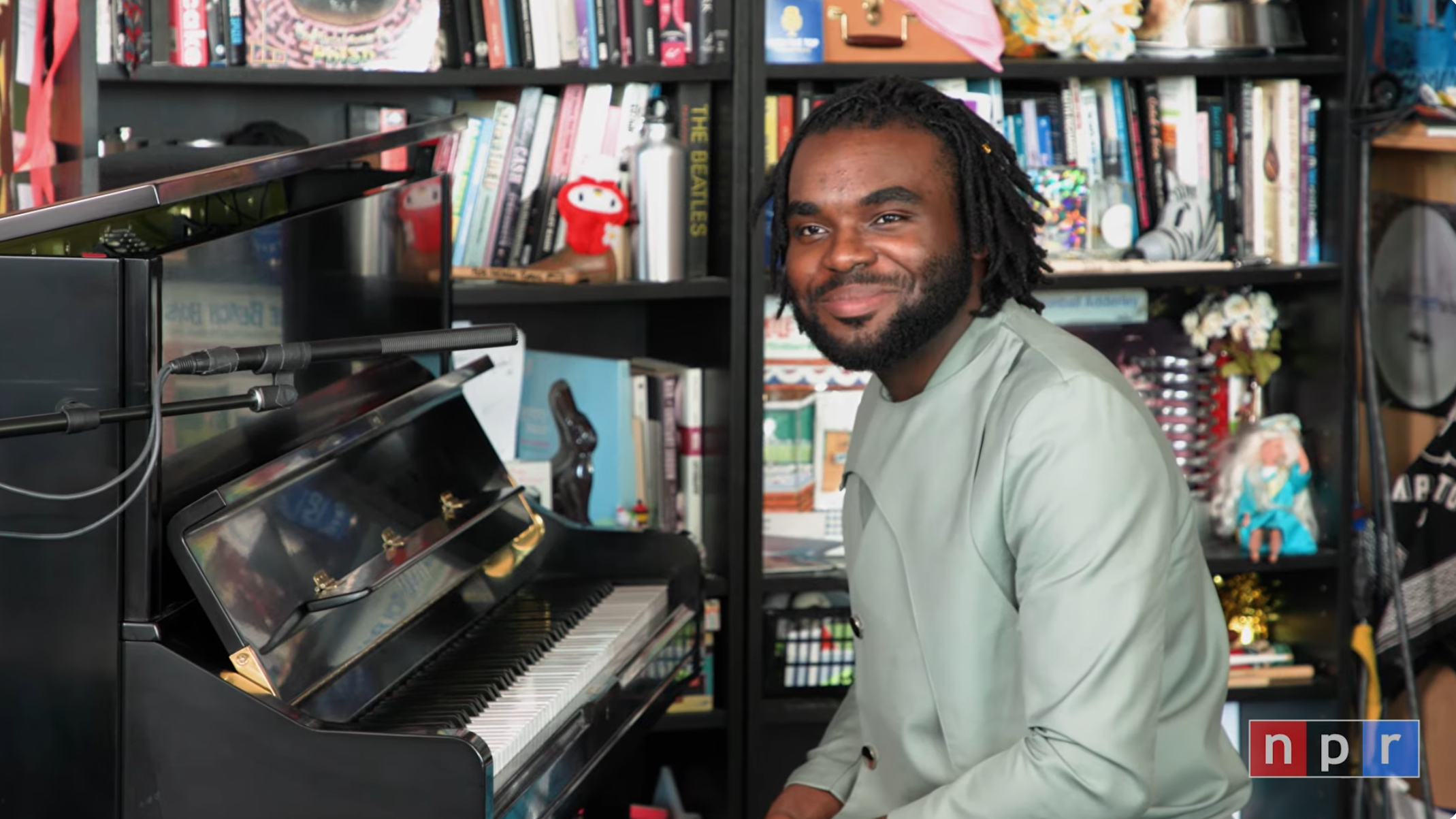
Rhyuhn has had recognition very early in life, but that visibility comes with its own challenges. When there isn't a clearly defined path for what you want to do next, you have to create one. “That I’m in uncharted territory. A lot of what I want doesn’t have a clearly defined path. Kicking down doors instead of waiting for someone to open them comes at the cost that no one’s on the other side to greet you.” We talk constantly about kicking down doors, breaking generational curses, and stepping into our calling. But we don't always talk about the risk that comes with it— not knowing what comes next. There is no hypothetical tour guide waiting on the other side.
Rhyuhn doesn't seem interested in letting his age become a reason to wait, either. When asked if he feels pressure to match his past accomplishments, he says “No, I don’t. But I do feel pressure to exceed them and to be doing things that others are just getting to at age 30 or 40. I’ve felt that a lot recently. Sometimes people tell me, ‘Well, you’re young. You have a lot of time to figure that out and to grow your artistry.’ Nah. I don’t subscribe to that. I’m always ready for the next level.” I can agree with Rhyuhn here— I don't want to move through life as though I have an unlimited supply of it. When my mind and body allow me to, I want to make the most of it. For Rhyuhn, moving forward isn't only about what he accomplishes next, it's also about who he's becoming along the way. “Achievements don’t mean anything if you aren’t improving who you are as a person everyday.” If your character becomes corrupted in the process of earning accomplishments, they don’t mean much. The achievement is only part of the story; who you become while earning it matters, too.
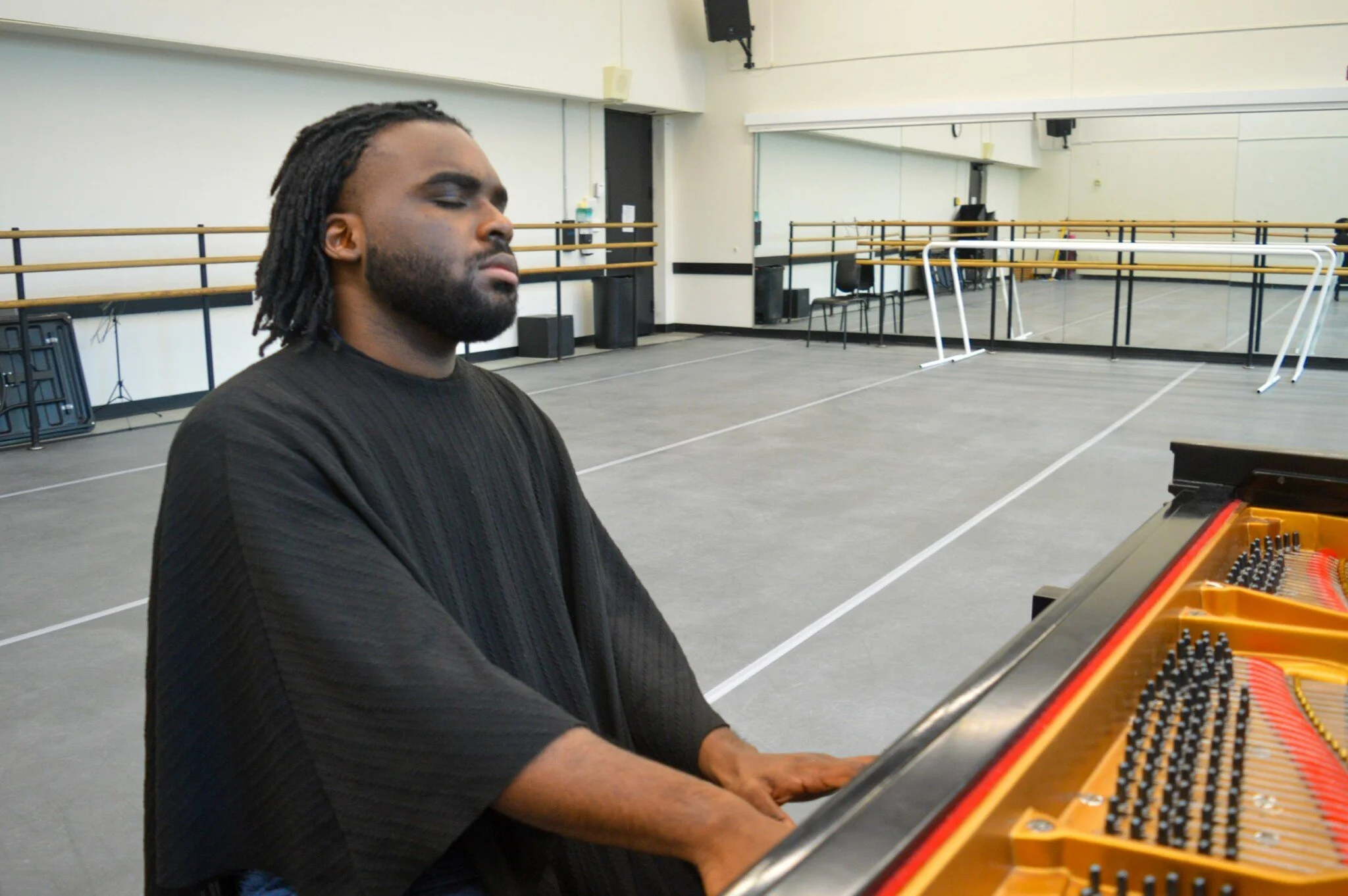
Perhaps that is also why Rhyuhn resists being placed into a single category. “Different people see me in different lights. Some see me as a rapper and producer, others as a classical musician, some see me as a jazz musician, some see me as a pianist and not a composer, and vice versa. And to that, I say: just because I don’t live in your one-category box, doesn’t mean I can’t visit. Being multifaceted means people may only see you through the lens they've chosen. But it's not our problem if their scope is limited. You can visit the box— you don't have to live there.
Rhyuhn by Don Elul
What He’s Learning
As Rhyuhn continues to grow, some of the lessons aren't about doing more. They're about knowing when to turn inward. “It’s all about doing new things. I’ve been in periods in my life where people aren’t really coming through for me in the ways I hoped. I’ve always helped others and will continue to do so, but it's so important to focus on me and how I feel.” We can't pour from an empty glass. Being selfish isn't necessarily a bad thing. Sometimes it's necessary.
That same sense of ownership appears in the way Rhyuhn approaches his creative process. When asked what brings him back to music when it feels like an expectation instead of expression, he says, “Sometimes I don’t come back to it.” He laughs, “If I’m obligated to say something, that takes my freedom of speech away.” There's power in being the boss of your creative process. You don't have to force your hand when something doesn't feel natural to you. Sometimes stepping away is part of protecting the freedom that made the work possible in the first place.
His years of collaboration have also taught him that communication doesn't always look the same. “Everyone is communicating in their own language. Hip-hop artists use words and cadence, Jazz musicians take the script and read it in their own character, classical musicians read the script directly off of the page. My job is one of translation. Communicating with all people in their own tongue.”
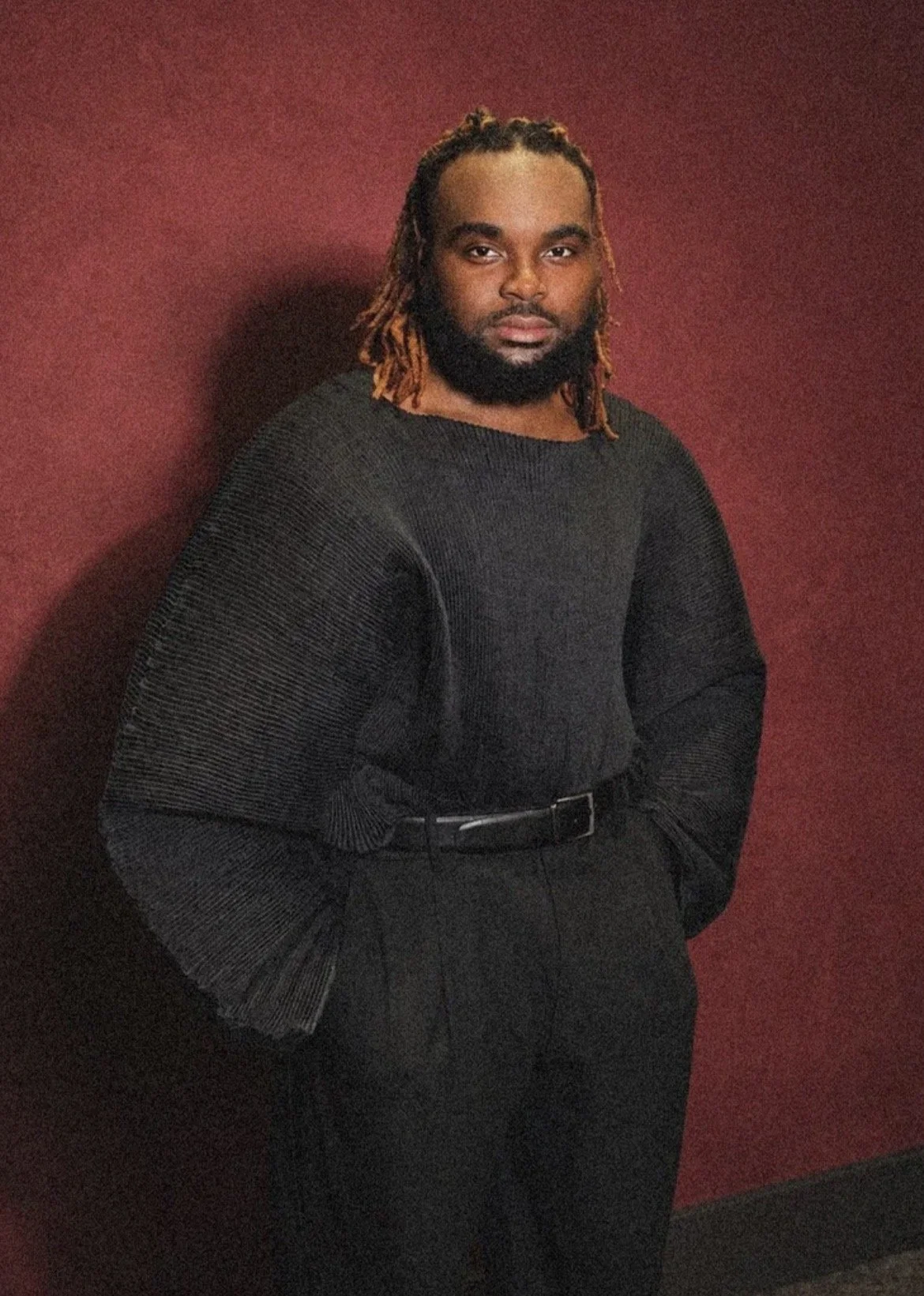
I didn't think much of that answer at first, but the more I sat with it, the more I realized how much it applies beyond music. We all communicate through different languages—our backgrounds, interests, creative work, experiences, and ways of seeing the world. Understanding one another sometimes means learning how to speak across those differences.
Rhyuhn by Estevan Quintero
What Remains?
After stripping away the achievements, performances, titles, and institutions, what remains?
For Rhyuhn, the answer isn't another title. “Tastemaker. Curator. If I can’t make the music, I’ll still be the one in your ear telling you what’s worth listening to and what ain’t.” And that was the moment I felt like I understood something at the heart of him.
Rhyuhn adores music—not only the act of making it, but the world surrounding it. The discovery. The conversation. The exchange. The feeling. Music seems to occupy a large part of his world, if not his whole world. To me, that sounds like someone who has found his purpose.
At his core, Rhyuhn is someone who, between helping a loved one and studying music, will create award-worthy compositions and perform shows where his music speaks volumes before you even know his name. And yet, he doesn't seem interested in pretending he's arrived at some final version of himself. When asked to complete the sentence, “The older I get, the more I realize...,” he offered something almost opposite: “The older I get…the less I realize. I spend all day unlearning things and preconceived notions. I hope one day I’ll be able to say I’ve realized anything at all.”
Maybe that's the point. Not having every answer. Not fitting neatly into one category. Not mistaking accomplishments for the end of growth. Still learning. Still questioning. Still creating.
Since this Conversation—
Rhyuhn was presented with an official citation from the Mayor of Philadelphia recognizing his contributions to music and the arts, as well as his commitment to representing Philadelphia on national stages. Another milestone in a career that continues to unfold.